Can Digital Marketing Be Replaced by AI?
Introduction
In today world, the question on many people’s mind is – can digital marketing really be replaced by AI? With technology growing faster then ever, Artificial Intelligence is now playing a big role in almost every industry. From chatbots handling customer queries to tools that write ads copy, AI seems like it can do almost everything. But when it comes to digital marketing, is AI ready to take full control? Or does human creativity still stand strong? Let’s find out.
The Rise of AI in Digital Marketing
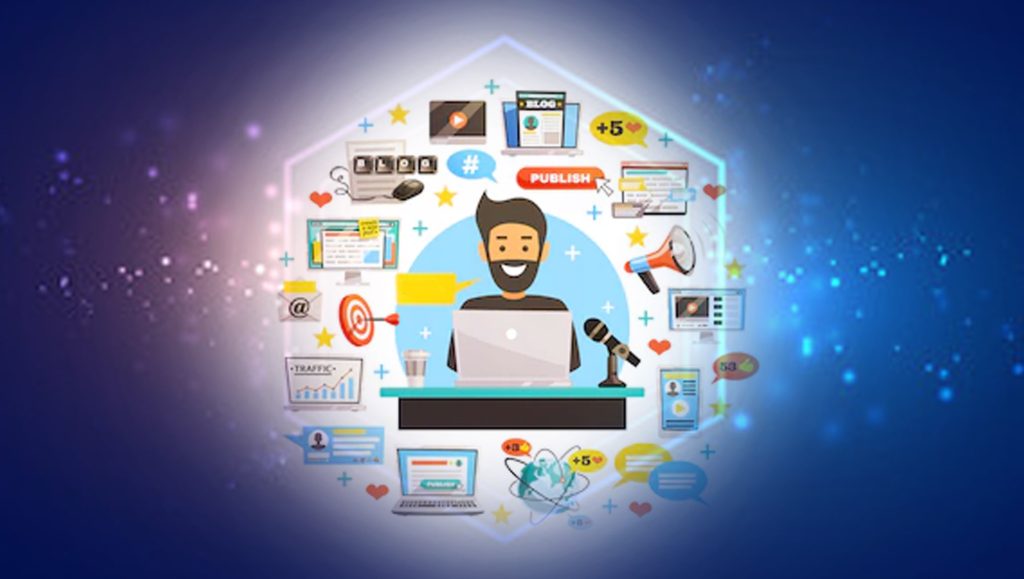
AI is already everywhere in digital marketing. We see it in Google ads targeting, Facebook algorithm, content recommendation on YouTube, even in tools like ChatGPT and Jasper for content creation. These AI systems analyze data much faster than humans can. For example, an AI can track customer behavior across thousands of websites in seconds, something no marketing team could do manually.
Because of this, many companies are now using AI to save time and money. Automated email campaigns, AI-generated blogs, voice search optimization, all these are making digital marketing more smart and efficient.
What AI Does Best
There are certain areas where AI is unbeatable
1.Data Analysis-
2. Ad Targeting-
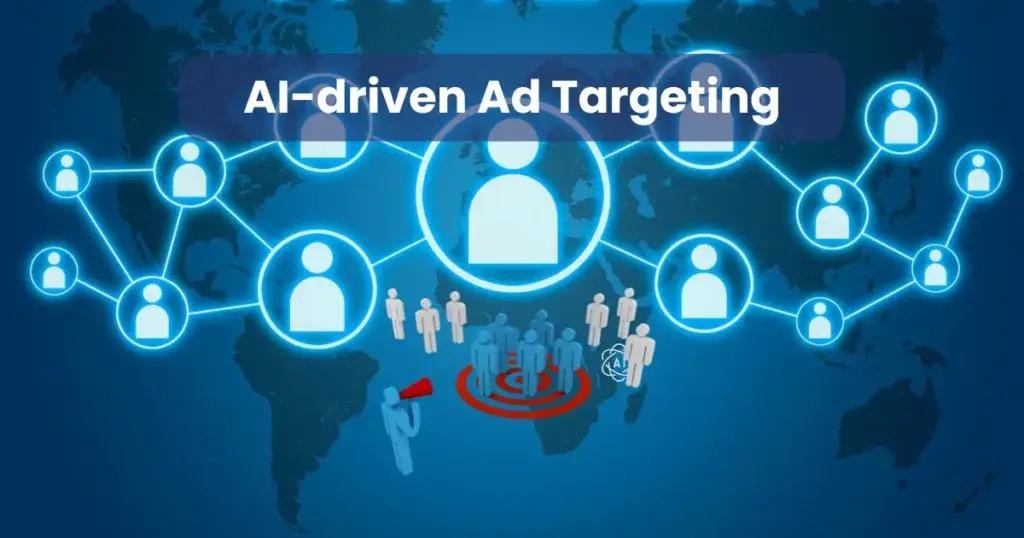
Ad Targeting in digital marketing is the strategy of delivering advertisements to a specific group of people who are most likely to be interested in a product or service. Instead of showing ads to a broad audience, businesses use factors like age, gender, location, interests, online behavior, and past purchases to reach the right customers at the right time. This makes ads more relevant, reduces wasted budget, and increases the chances of conversions. For example, an e-commerce store can target users who recently searched for similar products, ensuring the ad resonates with their current needs. Effective ad targeting not only improves campaign performance but also builds stronger connections with potential customers by showing them what truly matters to them.
3. Automation –
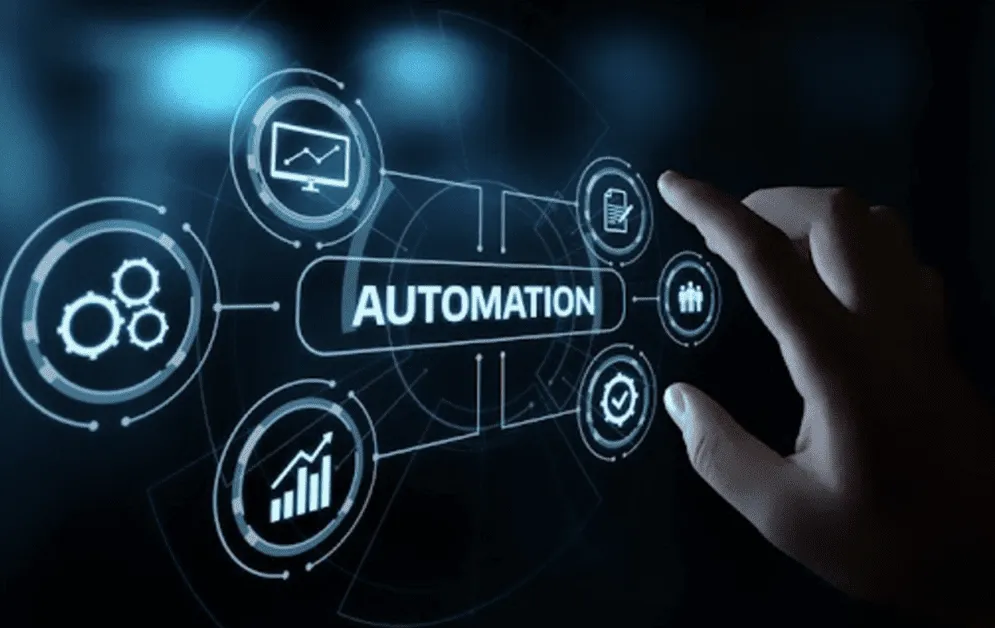
Automation in digital marketing refers to using software and tools to handle repetitive tasks like sending emails, scheduling social media posts, running ad campaigns, or nurturing leads without constant manual effort. It helps businesses save time, reduce errors, and maintain consistent communication with customers. For example, automated email campaigns can send personalized messages to users based on their behavior, such as a welcome email when they sign up or a reminder if they leave items in their cart. Automation not only increases efficiency but also ensures that marketing efforts are timely, relevant, and scalable, allowing businesses to focus more on strategy and creativity while technology handles the routine work.
4. Personalization –
Personalization in digital marketing is all about tailoring content, offers, and interactions to match the unique needs and interests of individual customers. Instead of using a general approach, brands analyze data such as browsing history, purchase behavior, location, or preferences to deliver more relevant experiences. For example, an online store might recommend products based on what a user has previously viewed or purchased, while email campaigns may include the customer’s name and targeted offers. This approach makes customers feel understood and valued, leading to stronger relationships, higher engagement, and better conversion rates. Personalization not only improves customer satisfaction but also boosts brand loyalty and long-term business growth.
These tasks are repetitive and data-heavy, so AI is perfect for them.
The Human Side of Marketing
But here is the real truth: marketing is not just data, it’s also emotions. Digital marketing is about telling stories, building trust, and making real human connections. AI can write articles or generate catchy headlines, but it doesn’t really understand emotions the way a human marketer does.
For example, when creating a campaign for a festival or a social cause, it’s the human touch that makes it connect with people. Creativity, empathy, cultural understanding – these are areas where humans still have the upper hand.
Can AI Fully Replace Digital Marketers?
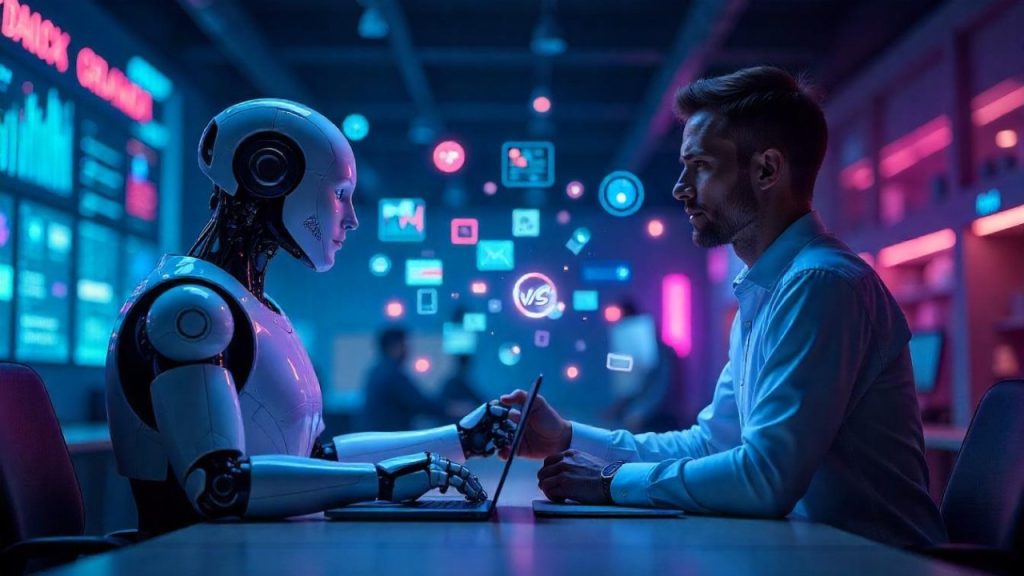
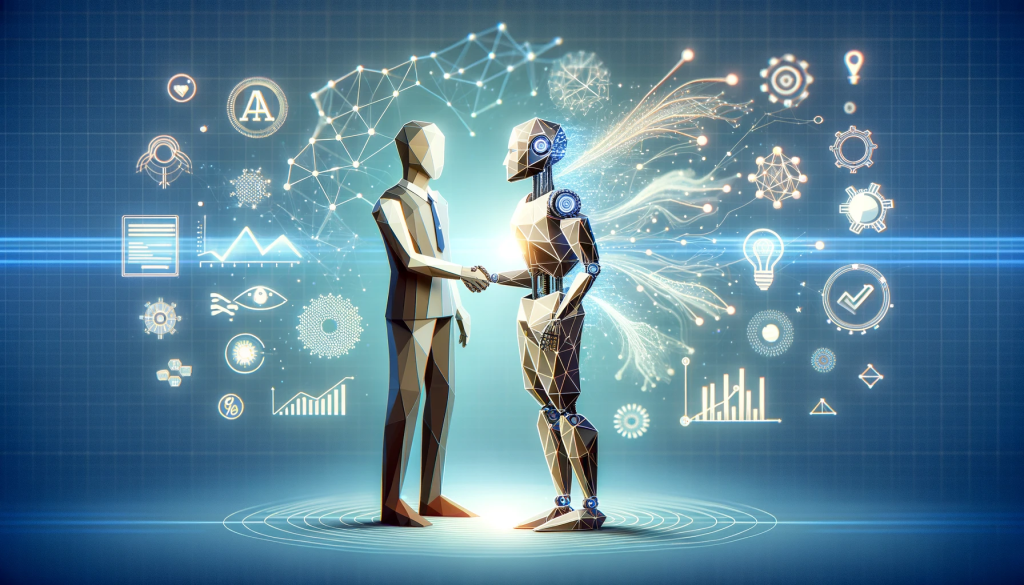
The short answer is no, at least not yet. AI is a powerful tool, but it works best when combined with human intelligence. Think of it like this: AI can give you the data about what your audience likes, but it’s the marketer who decides how to use that data in a creative way.
Also, AI can sometimes make mistakes. It might generate content that looks fine but is not factually correct. It can’t always understand sarcasm, humor or deep cultural context. That’s why businesses still need human digital marketers to guide and manage AI tools.
The Future of AI in Marketing